Porn Resource Hub
A resource hub for all things related to classification and pornography in Aotearoa New Zealand.
These days, porn is widely available online and young people may come across it – whether intentionally or accidentally.
Understandably, it can be difficult to know what to say, what support is available, or when content may cross the line into illegal or objectionable material.
On this page, we’ve brought together our research, resources, and other guidance to help parents and whānau talk about pornography with young people and know where to go for further information and support.
Five frequently asked questions about pornography and classification
FAQs
1. Can the Classification Office classify porn?
In the past, all pornography on physical media – like VHS or DVD – was classified by the Classification Office before being supplied to the public with an R18 label. We no longer classify porn as a matter of course, because of the rise of pornography websites and the decline in commercial distribution on physical formats.
Instead, we conduct research and provide educational tools for parents, whānau, and educators to help guide young people through the risks of online content – including pornography. Read more about the classification of porn here.
2. Is it illegal for young people to watch porn?
Pornography is generally restricted to people aged 18 years and over in New Zealand. It’s not illegal for an underage person to watch R18 porn, but it is illegal to supply, show, or make it available to anyone under 18.
New Zealand does not have a legally mandated system for restricting underage access to R18 pornography online, such as age-verification requirements.
3. Can porn be illegal?
Sexually explicit content, including pornography, is generally restricted to people aged 18 years and over in New Zealand. However, some types of sexually explicit content are illegal to possess, share, or create. This content can sometimes feature on porn websites or social media, and it’s not always easy to tell what’s legal or not. You can learn more about where the legal line is here.
Here’s a link to info on how to report this type of content.
4. How do young people see porn?
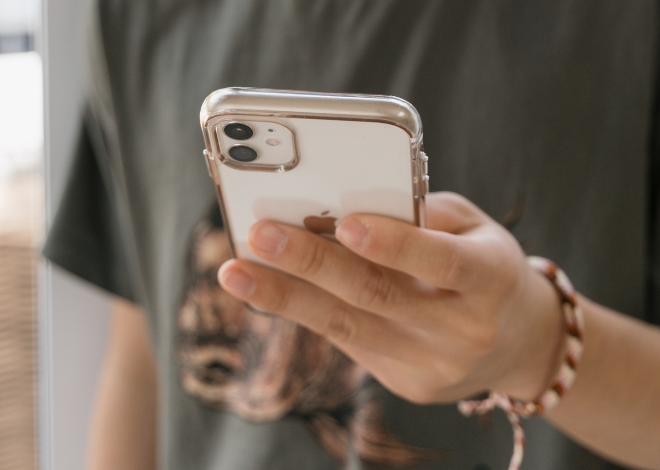
Young people primarily access porn online. Most of it is free, and it’s accessible on smartphones or other internet-capable devices. Like any content, people can come across pornography in a variety of ways – for example, on social media feeds, websites, messaging apps, or by being shown content in person. Content might be unwanted or show up unexpectedly, or people might seek it out intentionally.
Our 2018 research found that 1 in 4 teens (aged 14 to 17) had seen porn by the age of 12, and 3 in 4 had seen it by age 17. Most young people were not seeking out porn when they first saw it.
5. How do I talk with my young person about porn?
Talking about sex can feel awkward for many, and porn even more so. While younger children might see porn for the first time by accident, teens are more likely to be seeking it out. The best way to support them is to have open, honest conversations about what they might see in porn and how it’s different from real sex and relationships.
See our resources below for parents and whānau who want to talk with their young people about pornography.
Our resources
We have a range of resources and practical guidance available for parents and whānau, educators and law enforcement. The resources below bring together legal information, research and insights from young people to help people better understand pornography, its potential harms and how to respond.
Explore our resources below, or visit our website to find more information and support.
Information pages
These pages explain some more about what counts in New Zealand law as “objectionable” (illegal), and how we go about classifying content:
- Pornography and other sexually explicit content
- AI-Generated Content: When Is It Illegal in New Zealand?
- Banned or illegal content
- What is harmful and illegal content?
- What we classify
- The classification process
Resources
- How to talk with young people about pornography
- Talking with young people about pornography
- How do we talk with our kids about seeing harmful content online?
YouTube Videos
- Young people’s views on porn
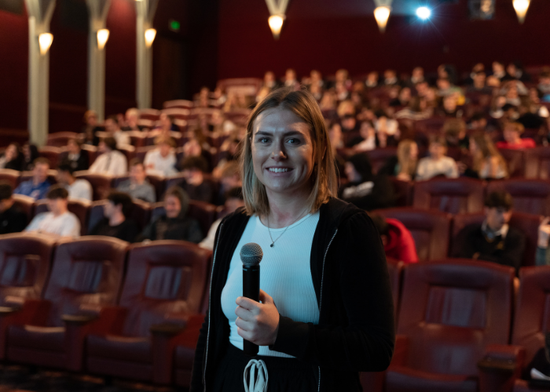
- Growing up with porn – how to talk with young people about pornography presentation
- What young people want from whānau
- Talking with your 10-13 year old
- Talking with you 14-17 year old
Supporting blogs
Our research
Growing up with Porn (2020)
We interviewed more than 50 diverse young New Zealanders aged 14 to 17. Rangatahi told us they weren’t getting guidance from trusted adults in their lives when it comes to tackling tough subjects like porn, sex, relationships, and consent.
Breaking Down Porn (2019)
We know young people are using porn to learn about sex, and that is concerning. We wanted to understand what New Zealanders are watching, so we analysed the top 200 most-viewed videos on the website “Pornhub” over one year.
NZ Youth and Porn (2018)
We put rangatahi front and centre in this initial research to understand how and why they're viewing online porn, the impacts they thought it had on their relationships, and what they wanted from adults and education when it came to porn.
Here is some of our other recent research about young people and online content. Some of their reflections mention porn in relation to other themes, such as online misogyny, body image, or harmful online content.
- Online Misogyny and Violent Extremism: Understanding the Landscape
- Digital Reflections: The Online Experience and its Influence on Youth Body Image in Aotearoa
- Content that Crosses the Line: Conversations with young people about extremely harmful content online
- Online Exposure: Experiences of Extreme or Illegal Content in Aotearoa
Training and professional development
We offer engaging, research-informed professional development for those supporting rangatahi, including teachers, youth workers, and community leaders. Our focus is on reducing content harm by empowering trusted adults with practical tools to respond to harmful and illegal content in ways that work for young people.
For more information see our website or email to register your interest or get in touch to discuss what might work for your setting: info@classificationoffice.govt.nz
Other trusted resources
- The Light Project – A resource page aimed at parents and whānau to help them get ready to talk to young people about porn.
- In the Know – Developed by The Light Project alongside young people, this site offers tips, tools and pathways to help rangatahi navigate porn-related issues and online sexual experiences.
- Check it Out - A sub-site of In the Know that answers a lot of tricky questions about sex and porn for young people.
Need help?
If you are concerned about something you or a young person has seen online, here are some services in Aotearoa that can provide support:
Was this helpful?
If you'd like to know more about this topic, get in touch. We're happy to help.