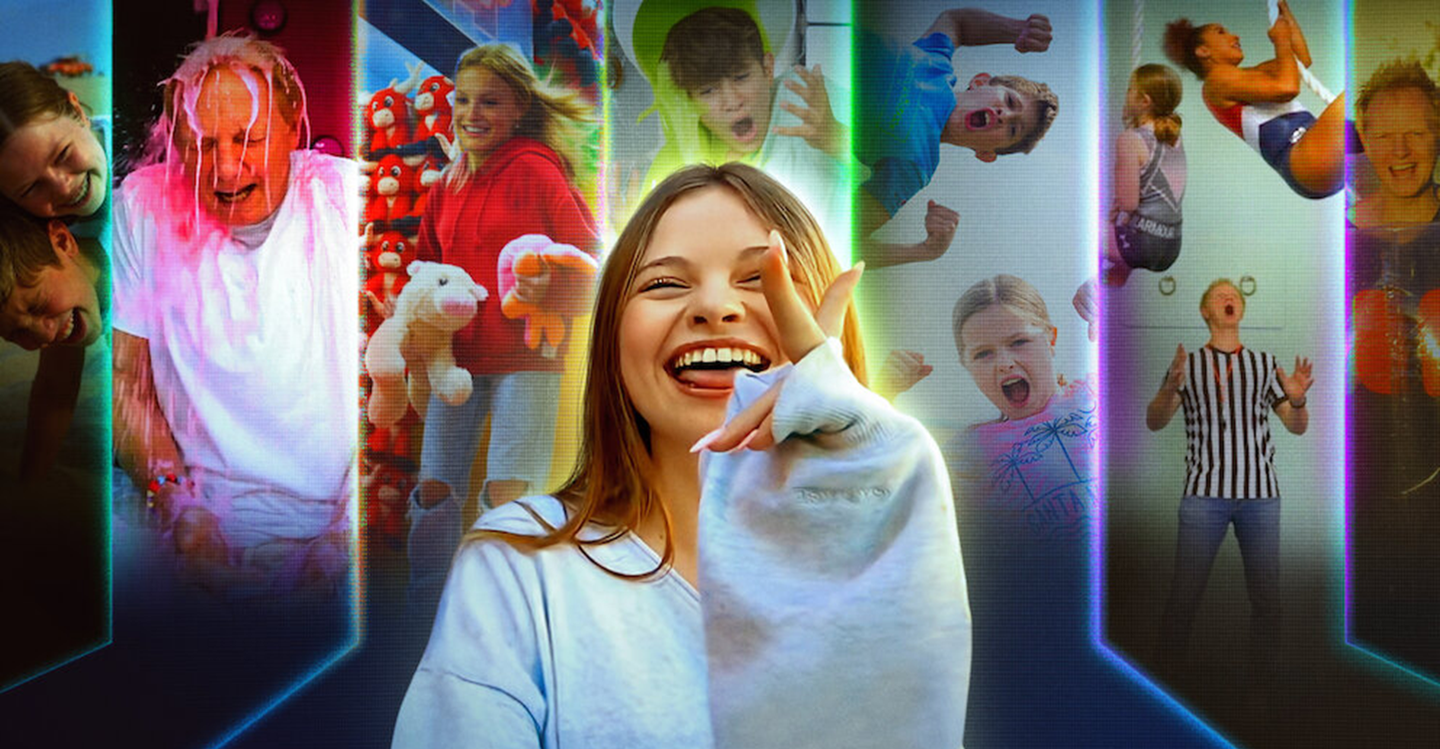
Can my child watch Salish & Jordan Matter?

Caitlin on July 24, 2026
What parents should know about YouTube kid influencers
If you've never heard of Salish and Jordan Matter, you're probably not alone. But if you have school-aged children, there's a good chance they already know exactly who they are.
The popular father-and-daughter duo built a huge audience on YouTube through challenge videos, pranks, competitions and everyday family adventures. Now, two seasons of Salish & Jordan Matter have landed on Netflix, self-rated PG with content warnings for coarse language and adult themes. For many parents, this is a rare chance to get a closer look at the kind of content their children may already be watching.
Kids' influencer content on YouTube is massive, and it's not going anywhere. From gymnastics and dance videos to pranks, challenges, crushes and unboxing videos, children are drawn to watching other children. My own daughter loves finding young gymnasts who can do skills she's determined to master one day.
But YouTube content is different from traditional TV or film. Whether it's the occasional short video or a regular part of your child's screen time, influencer content has become a feature of many New Zealand whānau. It also raises questions for parents about what's appropriate, what messages children are picking up, and how to navigate this new type of entertainment.
I'd love to say this is one of those blogs where we watched it so you don't have to. And, honestly, that is probably what many parents would prefer. But here's the spoiler: our recommendation is actually to watch Salish & Jordan Matter with your tamariki.
Not because every parent is going to love it (I certainly had moments where I questioned my life choices while watching another high-energy challenge video), but because it gives us a chance to understand what our kids enjoy and have conversations about what they are seeing.
Here's why.
What is Salish & Jordan Matter about?
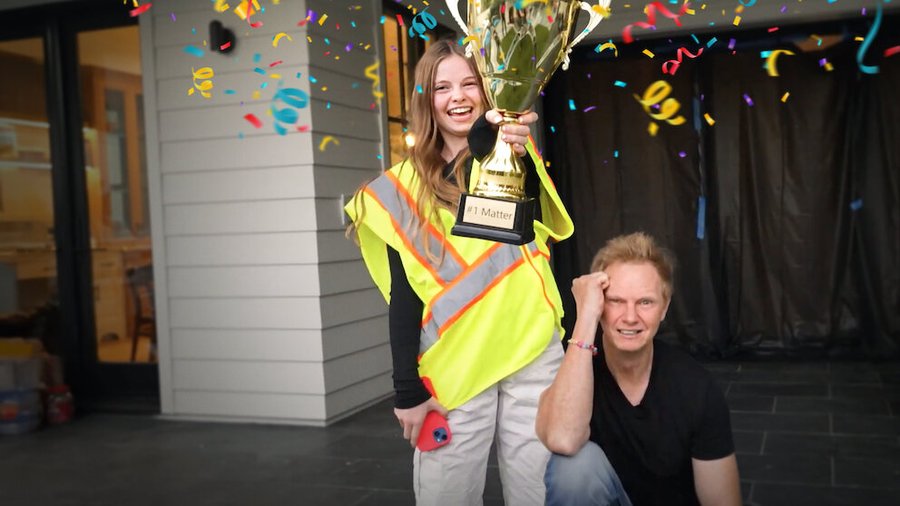
Each episode follows YouTube creator Jordan Matter and his daughter Salish as they take on challenges, competitions and adventures together. Episodes often feature friends, other young influencers and family members, with a fast-paced style that YouTube is known for.
The series highlights creativity and spending time together as a family, while capturing the energetic style that has made YouTube creators so popular with young audiences.
Content to be aware of
Adult themes
Some episodes include conversations about crushes, dating and relationships. These discussions are light-hearted, reflecting topics that many tweens are naturally becoming curious about. There is no sexual content, but the focus on crushes is a recurring theme throughout the series.
Salish and her good friend Nidal have grown up together, and their friendship has been a recurring storyline across their online content. Some viewers may interpret their relationship as a “will they/won’t they” storyline, which reflects the way online creators often build ongoing narratives for audiences to follow.
Coarse language
The series contains occasional mild coarse language, including words such as "crap" and other everyday expressions that many children may already hear at school or online. The language is infrequent and not used aggressively.
Behaviour and humour
Some of the humour relies on teasing, exaggerated reactions and playful insults. Salish sometimes describes things as “ugly” or uses low-level insults as part of the comedy. In a few episodes, she playfully punches another young influencer in the arm when he gets an answer wrong about her. This is presented as a joke rather than aggression, but it may be something parents want to talk about with younger viewers.

Themes worth talking about
One of the benefits of watching Salish & Jordan Matter together is that it opens the door to conversations about life online. While the series is fun and entertaining, it also reflects the world of social media influencers, where everything is designed to capture attention.
Money and lifestyle
The series often features expensive houses, travel, gifts and elaborate challenges. For children, it might create the impression that this lifestyle is normal or easily achievable.
This can be a great opportunity to talk about where money comes from, how online creators earn an income, and that what we see on screen is often only a small part of someone's life.
- Do you think most families live like this? Why or why not?
- How do you think YouTubers make money?
- If you had unlimited money, what would you spend it on?
Entertainment vs reality
Like many influencer videos, the content is designed to be bigger, louder and more exciting than everyday life. Pranks, dramatic reactions and high-energy competitions are all part of keeping audiences engaged.
It's worth reminding tamariki that creators are making entertainment. Videos are carefully planned, filmed and edited to be as exciting as possible, rather than showing what everyday life is really like. The goal isn’t to make tamariki feel bad for enjoying this content. It’s to help them understand how online entertainment is created and think critically about what they are watching.
- Which parts of this episode do you think were planned before they started filming?
- Do you think they had to film that scene more than once?
- Why do you think creators make their videos so dramatic and exciting?
Is this what growing up looks like?
Throughout the series, Salish and Jordan are almost always positive, energetic and having fun together. Viewers rarely see the everyday parts of growing up, such as feeling disappointed, arguing with family, getting into trouble, or having a bad day.
Talking about this can help children understand that everyone experiences a full range of emotions, even if those moments don't make it into a YouTube video, and those moments often aren’t included because creators are choosing the moments they think audiences will find entertaining.
- Did you notice that everyone seems happy most of the time? Do you think that's what real life is like?
- What kinds of moments do you think they don't show in their videos?
The reality of being an influencer
For many children, being a YouTuber or influencer is a dream job. Watching together gives you the chance to discuss what that actually involves.
Behind every video are hours of planning, filming, editing, and managing a business. It can also mean living with cameras, public attention and comments from millions of strangers. Helping children understand what's behind the finished video can build healthier expectations about life online.
- What do you think would be the best part of being an influencer?
- What do you think would be the hardest?
Final thoughts
There are so many opportunities that come from watching content together as a whānau. It gives you a chance to share the experience, understand what your tamariki are enjoying, and have conversations about what they are seeing.
If watching together isn't always possible, watching the content yourself can still help you understand what your child is engaging with and create opportunities for conversations later. (The car is a great place for these conversations!)
I’ll be honest, I found Salish a little rude at times, and Jordan’s energy was… a lot. But seeing the excitement on my eight-year-old daughter’s face during the competitions, and watching her slight interest in the crush storylines, reminded me why this type of content is so appealing to kids. Pushing through my own opinions gave us an opportunity to enjoy something together and talk about what we were watching.
It’s also worth remembering that Salish & Jordan Matter on Netflix is a very different experience from navigating YouTube itself. YouTube is a huge and sometimes overwhelming space, with content made for many different audiences and age groups. If your tamariki are using YouTube, it’s worth exploring the parental controls and child-focused settings available, and regularly checking in on what they are watching.
There are also some great resources available to help whānau navigate online platforms, including advice from organisations like Netsafe about YouTube, online safety and supporting children to have positive experiences online.
My biggest recommendation? Watch the content. Not because you need to love it (or like it), but because the media literacy skills you build from having these conversations early will help your tamariki think critically about what they see online. Over time, those conversations become natural, and as they get older, they’ll be better equipped to ask questions, spot what’s real and what’s created for entertainment, and make their own informed choices.
Further reading
- Salish & Jordan Matter, Season 2 – Featured decision
- Can my child watch KPop Demon Hunters? – Blog
- Why are ratings and content warnings important for me and my whānau? – Blog
- Talking with your tamariki about content that doesn’t feel right – Blog
- The 'Bluey' parenting hack – Blog
- Brain development – how it works, why it matters – Resource
- You're in control with parental controls – Resource
- Gaming Resource Hub
- Staying safe on YouTube – Netsafe
Subscribe to our blog
Stay up to date with the Classification Office blog.