Can my child watch pro-wrestling? A parent ventures into the WWE universe

Jane on July 16, 2026
A parents’ guide to starting to watch WWE with your tamariki
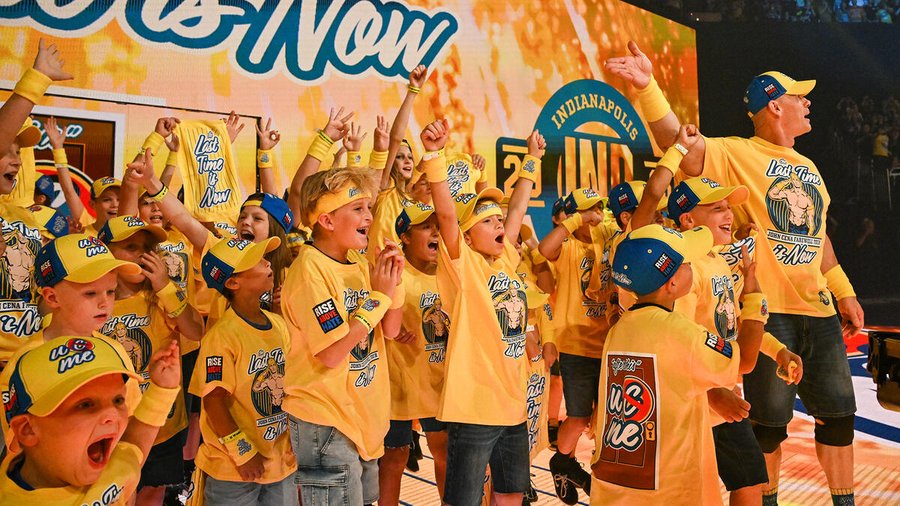
I blame John Cena. Also Dwayne “The Rock” Johnson.
If they weren’t so iconic, and hadn’t stepped so successfully across to mainstream popular culture, I wouldn’t be here – wading through the world of WWE for the first time in my life, trying to make sense of it so my eight year old can start watching pro-wrestling, safely.
It’s also his friend Henry at school’s fault – he’s WWE’s number one fan, apparently – for making it sound so tantalising.
Not that watching wrestling on our screens at home is anything new: I remember back in the dark ages (the late eighties), other kids at my school were obsessed with the Bushwhackers, “Ravishing” Rick Rude, and Hulk Hogan.
Back then, we knew it as WWF (World Wrestling Federation), but apparently they lost a trademark battle with the World Wildlife Fund in 2002, so it’s now called World Wrestling Entertainment (WWE). Bit different to saving pandas – and, to be fair, the addition of “entertainment” to the name is pretty accurate.
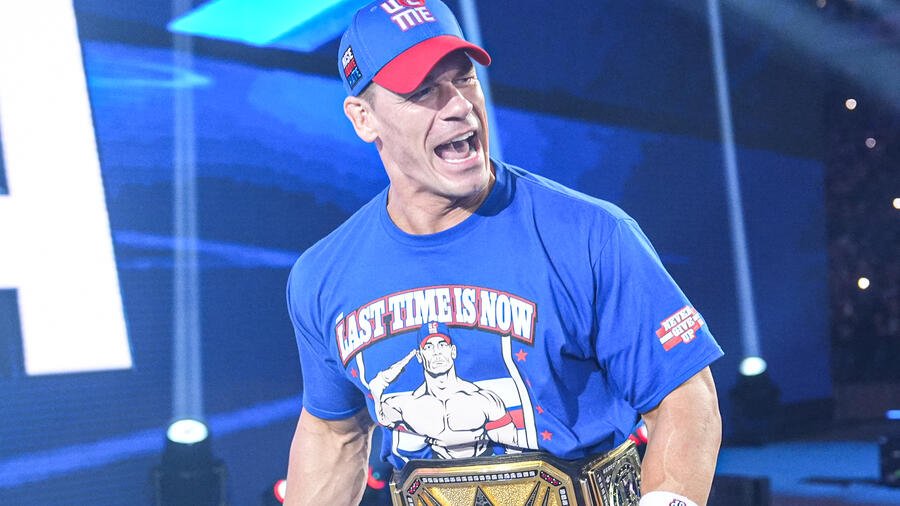
Real or fake – and does it matter?
I’ve heard WWE described as sports-themed soap-opera. The matches are theatrical, complete with scripted storylines, the opponents have highly developed “personas”, and the fighting itself is fully choreographed.
When we first sat down to watch, I made the mistake of blurting out, “Come on, it’s so fake looking. It’s so unrealistic!”
My son was deeply offended. “Mum,” he said, seriously. “What are you talking about?”
“I mean,” I said, digging in my heels, “that grumpy-faced guy doesn’t need to be landing that hard. He doesn’t need to be bouncing off the ropes that much! He’s exaggerating everything.”
“No,” my son replied. “They are all really strong. Look at their muscles! They must have to practice really hard to be able to do what they are doing. That isn’t fake.”
I had to admit he had a point.
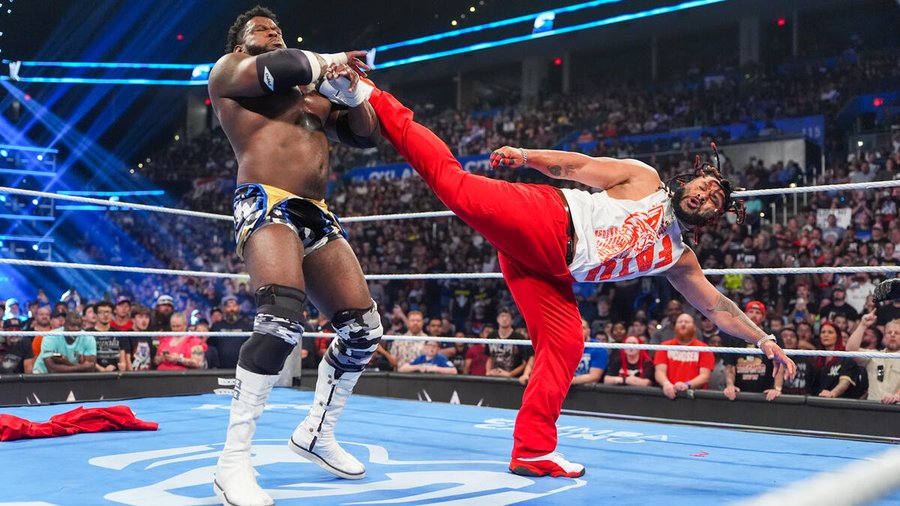
“... Blood!”
I left him to it, and went to do some laundry. A little while later I checked on him, and he was riveted – but pale-faced.
“... Blood!” he croaked, eyes wide.
Oh no, I thought. “Is it too scary?” I asked.
“No,” he said, not completely convincingly, “but some of them are getting hurt. And all the ones I want to win keep losing!”
“Why don’t you stop watching? Have a break?”
“No way,” he said. “I love it!”
I realised that, though pro-wrestling isn’t exactly my thing, I should perhaps have put a little more time into choosing from the many, many options that came up on Netflix, instead of hitting play on the first non-R-rated one that had John Cena’s face on it.
Turns out, there are WWE shows that are rated PG, and those would have been a more suitable entry-point!
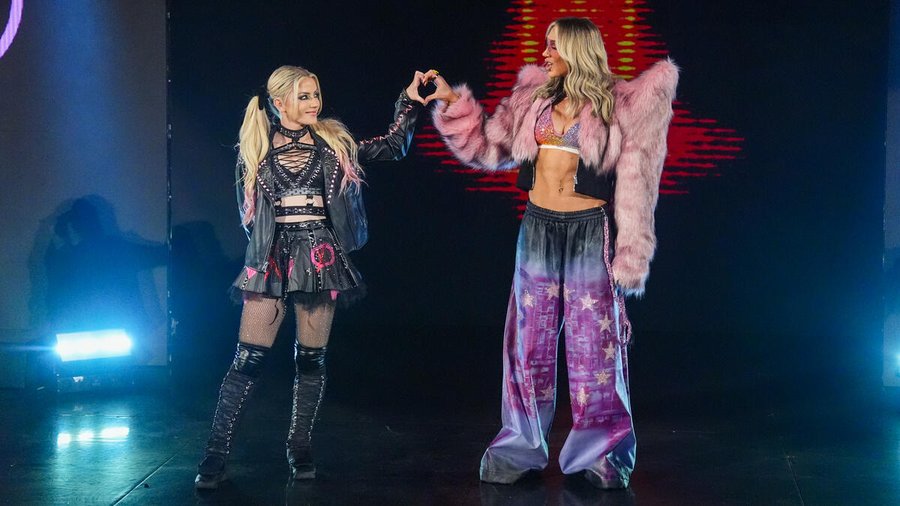
Check the ratings – what they mean and where to start
If you search “WWE” on Netflix, you’ll get screeds and screeds of results, with ratings from PG through to R18. I watched a tiny snapshot of shows at different age ratings to determine what the difference between them was, and to help other parents not make the same mistake I did.
SmackDown and Raw – rated PG (content warning for violence)
Episodes of Raw and SmackDown are released on Netflix weekly, edited from a livestream. These are the two big shows for WWE, and the franchise divides its wrestlers between them via an annual draft, meaning there are separate storylines and characters for each show, and loyal fans for each.
Both have a big focus on the storylines behind and between characters, and interviews with wrestlers before and after matches. The wrestling itself has much less focus on punching and body slams than the higher rating options (though there is some of this, but it tends be snippets of matches). Commentators narrate the drama, adding their reckons about ref decisions, personal motivations, and potential injuries. It’s all fast-paced and entertaining.
Wrestlepalooza – rated M (content warning for violence)
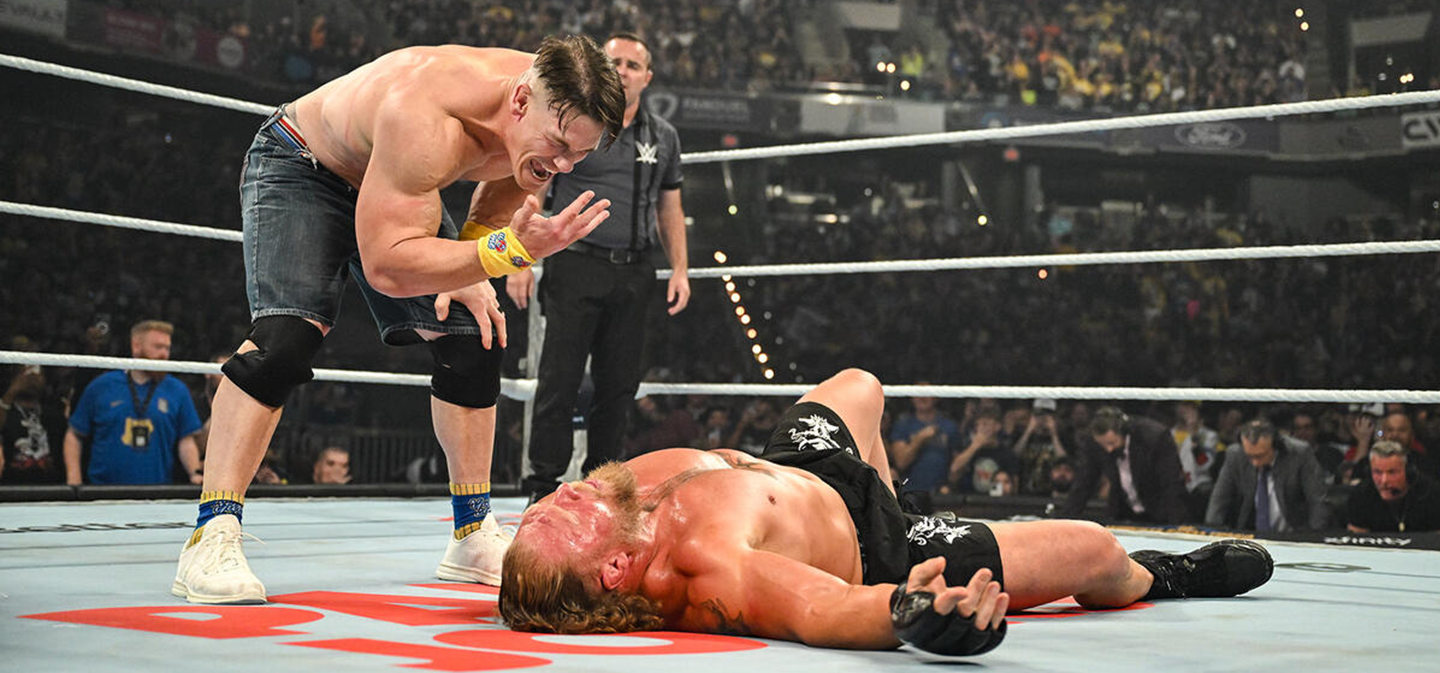
Confession time: this is where we started, and probably shouldn’t have. It has punches to the face, kicks to the stomach, body slams from a height, grabbing each other by the heads, and throwing each other across the floor. Sound effects make some of the hits sound like they land harder. Wrestlers fling themselves hard down onto the mat repeatedly, which must be very hard on their bodies, even if the punches aren’t truly landing. Real scrapes and bruises are evident on wrestlers’ skin.
Judgment Day – range of ratings up to R18 (content warning for violence)
The R18 episode from 2005 features wrestlers slapping each other, slamming each other down, kicking and punching each other in the stomach, ribs, and face. There is much more force to all of this than the lower-rated shows. There is also a storyline where a wrestler’s wife is stalked and verbally harassed, resulting in violent ambushes backstage.
At the end of the episode is an “I Quit” match – which can only be won when one of the opponents submits – between John Cena and John Bradshaw Layfield (JBL). It includes whipping and choking with a leather belt and a chain, hitting with hard objects including chairs and car doors, and being thrown into tables. They both end up absolutely covered in blood from wounds on their heads. The blood gets all over their torsos and clothes, and everywhere they go in the arena. The match is loud, graphic, and relentless.
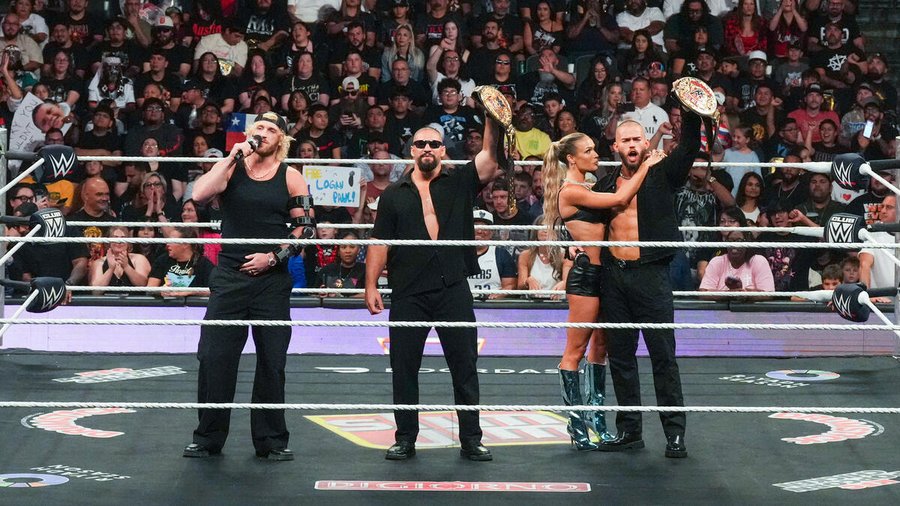
Final thoughts
At its core, yes, pro-wrestling is about fighting – but it’s also about spectacle, character, and story. Basically, the lower the rating, the less you’ll see graphic fighting.
Sit down with your child and watch WWE together. Talk with them about the personas of the wrestlers. Talk about why the wrestlers might exaggerate their fighting – and the dangers of replicating those moves when you don’t know what you’re doing.
Conversation starters
Show that you respect your young person’s point of view, even if you don’t agree with them. The goal here is to encourage them to open up to you and think about what they’re watching.
- “Who do you want to win and why? Who are your least favourite characters, and why?”
- “Were there any parts that scared or surprised you?”
- “What do you think the wrestlers do to keep themselves safe and healthy?”
- “What do you think about the way female characters are portrayed?”
- “If you saw something on screen that upset you, what would you do?”
It was dress-up day at school the other day, and my son went as John Cena.
When he came home, I asked, “Did anyone recognise who you were? Did you have to do his signature hand-gesture and say, ‘You can’t see me?’”
“Nah,” he said. “I did the moonwalk all day instead.”
Because – in case you weren’t aware – also on-trend from the eighties is trying to dance the moonwalk and solve Rubik’s cubes. Everything old is new again.
Other resources
- Talking with young people about what they're watching
- Conversation starters about harmful content online
- You're in control with parental controls
All photos from wwe.com
Subscribe to our blog
Stay up to date with the Classification Office blog.