
What is "EA Sports FC" and how can I talk with my child about the video game?

Jane on Aug. 13, 2026
After the excitement of the 2026 FIFA World Cup, your whānau might be looking into how to extend your enthusiasm for football. With video games available to play on multiple devices, football competitions don't have to be limited to rainy Saturday mornings – not when games like EA Sports FC (formerly known as FIFA), the popular football video game, exists. But you may be wondering about its M rating. In this blog, we explain how the game and its rating works.
Are you wondering whether the game EA Sports FC 26 is appropriate for your child and whānau? Our blog covers the following topics:
What is the game? How does it work?
What do young people say about the game?
What do we (at the Classification Office) say about it?
Does it have a classification in New Zealand?
Are parental controls an option?
While you’re here, just be aware
Background about the game
For 30 years, EA Sports was licensed to release FIFA-branded football simulation games across many gaming platforms and consoles – including Sega, PlayStation, Game Boy, Nintendo, Xbox, and mobile phones – until the partnership ended. EA Sports then launched the annual "EA Sports FC" series, an association football game retaining licences for many teams, leagues, competitions, and players, just without the FIFA branding.
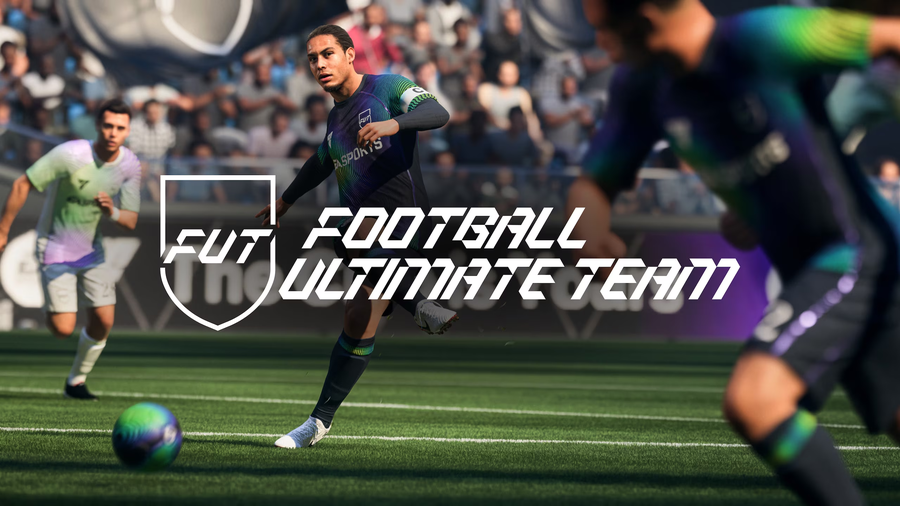
These games are known for their realistic game play, and for using real teams and footballers rather than generic or fictional avatars. One of their most popular features is the Ultimate Team mode, which lets players build their own all-star “dream team” of footballers from different teams.
In this blog, we’ll focus on EA Sports FC 26, the most recent version of the full-feature game. But note: EA Sports will be releasing the next version, EA Sports FC 27, in late September 2026.
But what about the FIFA games?
Since the licensing changes we mentioned, FIFA now works with a wider range of gaming companies and platforms. Two FIFA-licensed games launched during the 2026 World Cup, but they are not the full-team, realistic gameplay of the old FIFA games (or EA Sports FC). FIFA Heroes is a five-a-side arcade game currently available on iOS and Android, with PC and console versions planned. FIFA World Cup: Launch Edition is a streamlined football simulation game played through Netflix on a television or computer, using mobile phones as controllers. It supports one to four players.
What is the game? How does it work?
The newest game in the series, EA Sports FC 26, has 20,000+ footballers across 750+ clubs and national teams, in over 120+ stadiums and 35+ leagues – so it’s hugely detailed, with massive scope to customise the games you play, especially when you get into Ultimate Team mode and build your own dream squad out of all those footballers.
Players can play alone, with people in the same room, or online, depending on the mode. Cross-play is available between PC, PlayStation and Xbox, but players are grouped by console generation.
The different ways to play (i.e. “modes”) include:
- Kick-Off allows players to play individual matches, including with other people in the same room.
- Career Mode lets players manage a club or follow the career of an individual footballer.
- Clubs is an online social mode where players create their own footballer and compete as part of a team.
- Ultimate Team allows players to collect footballer cards and build a squad to use in different challenges and competitions.

What do young people say about the game?
A 15-year-old: “For someone who likes football, EA Sports FC 26 is really the perfect game to experience football through so many different lenses. You can choose to manage your favourite team, play as yourself, or in a team with your friends. Playing [EA Sports] FC 26 is a great way to get immersed in the football world when just staying indoors.”
An eight-year-old: “I like mostly to watch people playing it on YouTube. Sometimes I watch reaction videos of people watching other people play it.”
Watching other people play video games like this is a common trend, which we’ve written about on this blog.
What do we (at the Classification Office) say about it?
Our gaming expert has many fond memories with gaming with friends on the couch or playing together online. Whether it's a friendly competition or the camaraderie of co-op, these shared experiences last long after the controllers are put away.
At the same time, some EA Sports FC 26 modes deserve closer attention. Ultimate Team includes chance-based player packs and several other ways to spend virtual currency or real money. Playing online also comes with its own risks.
This does not mean that the whole game is unsuitable for young people; it means that parents and whānau should set appropriate boundaries. Read on below to understand more about the risks and what you can do about them to ensure tamariki can still have a great, safe time making shared memories while they wait for Saturday morning kick-off.
Does it have a classification in New Zealand?
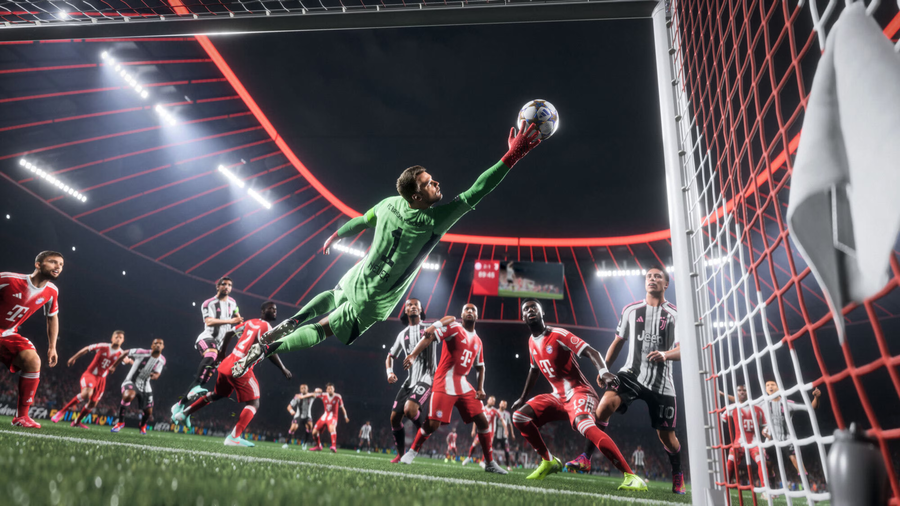
EA Sports FC 26 is cross-rated M (using the Australian classification), with content advisories of “chance-based and in-game purchases, online interactivity and chat”.
M is advisory and not a legal age restriction in New Zealand. It means the game can be accessed by anyone but is more suitable for mature audiences. Read about New Zealand classifications here. M is a rating that whānau might like to take on a case-by-case basis, as we talk about in this blog.
Are parental controls an option?
Yes. Parental controls are great for keeping your tamariki safe. The available controls depend on the console, computer, and account they use.
Talk with your child about the settings you use and why. Review them regularly as your child gets older or begins using different game modes and communication services.
Start with the family settings on the gaming platform or console
These can usually be used to manage purchases, online multiplayer access, communication settings, and access to games based on their age rating. Entering your child’s correct age when creating their gaming and EA accounts is important because available features and default protections may change according to age. Our blog on parental controls provides links to the different gaming platforms.
Check your EA Sports account
Through your EA Sports account you can check and limit certain aspects of your child’s account, including adding limits to their playing time and spending. EA child and teen account restrictions also vary by age and platform.
FC Playtime is opt-in and provides tracking and player-set limits for matches, FC Points, and some packs. You’ll need to enable it, and note that the player may be able to change the settings so it’s not a replacement for platform-level parental controls.
While you’re here, just be aware
EA Sports FC 26 can be a fun way for football fans to compete, play with friends, and build their own teams. However, some modes include chance-based purchases, other opportunities to spend money, and interaction with other players.
Not every player will use every feature. Ask your whānau members which modes and features they’re interested in, and have a chat about the best way to use them safely.
Spending and chance-based purchases
- Random packs in Ultimate Team
In Ultimate Team, players collect cards to build their squad. Cards can be earned during play or bought using Ultimate Team Coins or FC Points. Coins are earned in the game, while FC Points can be bought using real money.
Players don’t know which cards will be inside a pack before opening it. EA displays broad probabilities, but these figures don’t necessarily show the likelihood of receiving the particular footballer a player wants. You can find out more in EA’s official information about pack probabilities. EA says the probability of receiving a specific individual item is often less than 1%.
Packs like these are often referred to as loot boxes because players use money or in-game currency to receive a reward determined by chance. There have been studies linking loot boxes to negative outcomes for young people. A 2022 study of Ultimate Team players who self-reported symptoms of gaming disorder also found they spent more on these packs.
- Other ways to spend
FC Points – bought with real money – can also be used to buy other items, enter Ultimate Team Drafts, and unlock the Premium Pass. These purchases aren’t all chance-based and gambling-like, but the risk with virtual currency is that it can make the real cost less obvious, and smaller transactions can quickly add up.
What whānau can do
- Agree in advance if real-money purchases are allowed, and set a spending limit.
- Require your approval (and/or password) for any purchases and don’t leave your payment method accessible from a child’s account.
- Check the purchase history together so smaller transactions do not go unnoticed.
- Convert FC Points into New Zealand dollars so the real cost remains visible.
- Avoid making purchase decisions immediately after a loss, a disappointing pack, or during another emotional moment.
- Look at the pack probabilities together. Explain that the displayed percentage may cover a category of cards rather than the particular player they want. Explain that an unsuccessful pack does not mean the next pack is more likely to contain a rare player.
- EA Sports FC Playtime can track time spent, matches played, FC Points purchased, and packs opened using Coins or FC Points. It allows players to set personal weekly limits and receive reminders.
Online play and communication
EA Sports FC 26 includes online interactivity and chat, but communication works differently depending on the mode, platform, and other services a player uses. For example, in Clubs mode, there are preset Quick Chat messages such as “Thanks”, “My bad”, “Shake it off”, and tactical instructions.
However, not all communication happens inside the game. Players may also use console voice or party chat, private messages, and services such as Discord. This means the communication settings and contacts of your tamariki may extend beyond FC 26 itself.
Possible risks are the same as any online gaming, like abusive, inappropriate, or discriminatory language, harassment, or being asked to move a conversation to another service. Recent Australian research involving young online gamers found 40% of them had had negative experiences, but most of them also reported positive experiences, including social connection, enjoyment, and skill development.
EA provides in-game options for reporting offensive naming of squads or players. Other inappropriate behaviour may need to be reported through the console network or the communication platform.
What whānau can do
- Check the parental controls for EA and the console.
- For younger players, consider limiting communication to people they know offline and keeping devices in shared spaces.
- Discuss what information should remain private. This includes details like their full name, school, location, phone number, passwords, and account details.
- Agree that they will tell you if someone asks them to move to another platform, share personal information, keep a conversation secret, or meet offline.
- Work out together how to mute, block, and report another player.
- Explain that they always can leave a match or conversation if someone is abusive or makes them uncomfortable.
- Check in regularly about who they play with and how other players behave, rather than waiting until something has gone wrong.
Scams and account security
Players may sometimes encounter websites, videos, or private messages offering free Coins, rare players, discounted in-game currency, cheats, or account upgrades.
These offers may be attempts to obtain passwords, verification codes, payment details, or access to the player’s account. Third-party Coin sellers can also place an account at risk and may lead to restrictions or bans.
EA’s guidance on account security says EA will never ask for a password, verification code or login details through email, social media, forum messages, or console messaging. EA also says it does not need a player’s login information to provide packs, players, Coins, prizes or rewards.
What whānau can do
- Check that a website is an official EA or platform site before entering login or payment details.
- Explain to your whānau that offers of free Coins, packs, players or cheats are likely to be scams.
- Never share passwords, verification codes, passkeys, or account-recovery information.
- Encourage your tamariki to always tell you quickly if they click on a suspicious link or share account information. Responding calmly makes it more likely they will ask for help.
- Check the account and payment history if Coins, players or other items unexpectedly disappear.

Staying involved in what they play and watch
Young people’s engagement with EA Sports FC 26 doesn’t always stop when they put down the controller. They may also watch videos of pack openings, match reactions, gameplay, and livestreams on YouTube and other platforms – and one study showed that loot box content attracted higher audience engagement than other gaming videos.
Staying involved in your young person’s gaming can help you understand what they enjoy and make it easier for them to ask for help if something goes wrong. That includes taking an interest in what they watch as well as what they play.
Conversations with whānau
Like IRL football, games like EA Sports FC 26 can be used for socialising and for lessons in how to be a good sport – gracious both in winning and in defeat. If you play them with your young person, you can model this behaviour.
There’s also a lesson in how practise makes a better player – but perhaps temper this by discussing what a healthy balance of screen time and screen-free time looks like for your whānau. Remember the importance of sleep, stretching, and nutrition!
Remind your tamariki that the game can be played without needing to be online. Have them invite some friends over to play it in the lounge together! If you do decide to let them play online, discuss together what you’re doing with the parental controls and why – perhaps start by letting them only play and chat with people they know in real life, and play without a headset so you can hear the voice chat.
Dealing with the stress of losing can be a big part of playing video games like EA Sports FC 26 (and life in general!). Here are some suggestions for how you can help your young person manage those moments. It’s a good idea to talk about these in a calm moment away from the device – maybe on the walk to school or in the car after swimming – rather than in the heat of the aftermath of a defeat:
- It’s okay to feel upset: Losing a match or not completing a challenge can feel tough, and it's important to acknowledge their feelings of frustration.
- Focus on progress: Shift the focus from winning to learning. Highlight their improvements, like how far they’ve come with certain skills or building their team. This helps them see progress and stay motivated.
- Take a breather: When emotions run high, encourage a quick break or calming strategy, like taking deep breaths or stepping away for a few minutes. A little reset can make a big difference. Suggest setting up a new game together, as a reset – or kicking a ball around outside.
- Turn challenges into lessons: Help your child view setbacks as chances to learn and improve. For example, after a setback, talk with your child about ways they could do better next time. Ask them what advice they’d give to a less experienced player having trouble getting the hang of things.
- It’s all about having fun: Remind your child that video or online games should be about having fun. Share your own moments of challenge in games – or life – to show that everyone has ups and downs.

Final thoughts
EA Sports FC 26 can offer enjoyable competition, social connection, and another way for football fans to engage with the sport.
The main things for parents and whānau to understand are which modes their tamariki want to use, as this is where spending and online chat happens. Parental controls are a big help here, and they work best alongside clear boundaries and regular kōrero: keep talking with your whānau about what they’re watching and playing.
Why don’t you join in a game, and create a moment of family connection while modelling teamwork and resilience – will you play as Messi, Maradona, Pelé, or someone else...?
Further reading and interesting links
Classification Office Resources
Gaming resource hub (resource index)
Keeping it safe in the gaming space (blog)
Understanding loot boxes: a guide for parents and whānau (blog)
Game on: Our guide to understanding international gaming classifications (blog)
How video games are classified in New Zealand (resource page)
Classification labels | Classification Office
EA guidance and help
EA SPORTS FC™ Unrivalled Authenticity - Leagues & Licenses
EA SPORTS FC™ 26 - Pack Probabilities - EA SPORTS Official Site
How to set up and use EA SPORTS FC™ Playtime
How to report a player in EA SPORTS™ FC
Other gaming resources
Gaming Together | Whānau Gaming Benefits | Parent Tips | Netsafe
Online or Offline Gaming | Online Features And Interactions | Netsafe
Netsafe’s gaming toolkit (website)
Subscribe to our blog
Stay up to date with the Classification Office blog.