Illegal video games: what parents and whānau should know

Phoebe on Sept. 2, 2026
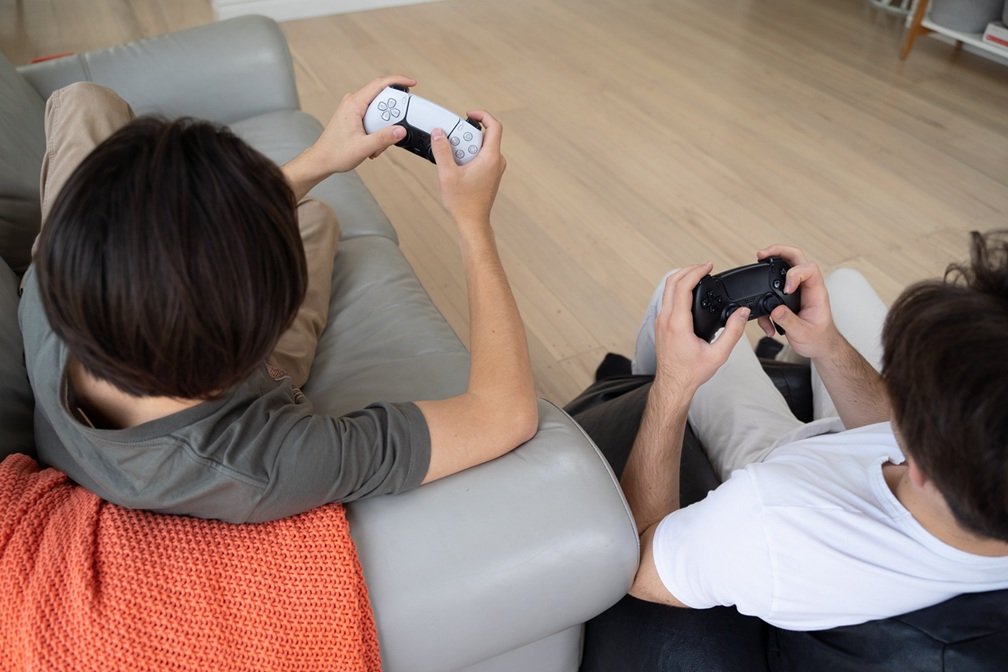
From action adventures and e-sports to multiplayers and open-world environments, thousands of games are played online every day. Most are perfectly legal. However, in rare cases, video games banned in New Zealand can still be found online, including on well-known platforms. Understanding the legal line and what to do if you encounter an illegal video game can help keep you and your whānau safe while you play.
Video games classification
The Classification Office can classify video games by giving them age restrictions and content warnings.
Currently, the law only requires the classification of games that are physically available for sale in New Zealand - that's mostly DVD and Blu-Ray formats. Games sold as downloads, apps, or digital-only don’t legally require classification. This includes user-generated games, levels, and modes built by players on virtual platforms - think Roblox or Fortnight Creative.
This doesn’t mean online-only games can’t be classified. If any game/level/mode poses a particular risk of harm to the public, the Chief Censor can call it in for classification.
We have classified a few games as objectionable (banned) for meeting the very high legal threshold for illegality under the Films, Videos and Publications Classification Act 1993. We’re not talking about R18 video games like Grand Theft Auto or Mortal Kombat, but content that crosses a legal line and is likely to cause serious societal harm. For example, games that promote and support sexual violence, child sexual exploitation, violent extremism or acts of terrorism. More information on what makes content objectionable can be found on our website.
It is against the law to import, download, distribute, or possess video games banned in New Zealand.
Reporting tools and built-in safety features
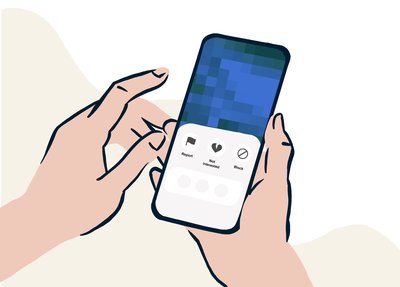
Reporting potentially illegal content not only keeps you safe, but can minimise harm for all users.
If you or someone you know has come across a potentially illegal video game, report it to the gaming site immediately. You might also hear about it on social media or in other online community spaces. You can still report your concerns to the relevant host platform. Agencies such as the New Zealand Police and the Department of Internal Affairs investigate objectionable content and digital harms. It’s important to report there too. Read our page on reporting illegal content for more information.
If you’re unsure whether a rating already exists, search the game on our Find a Rating tool. To request or change a classification, you can apply for a classification via our online form.
Parental controls and account preferences
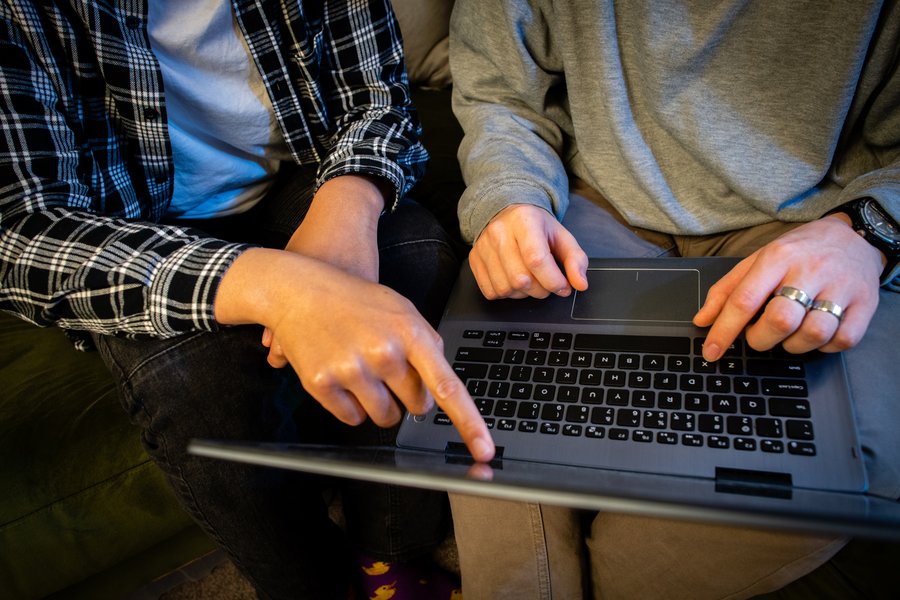
Ensure that your gaming devices have age-appropriate settings in place. Most gaming platforms and app stores provide built-in family settings that help keep you and your whānau safe online by restricting available games to age-levels that you select.
As tamariki get older, it can be helpful to explore safety features together and have conversations about which settings might feel appropriate for their age, maturity, and independence. This helps you make decisions with them, rather than simply setting rules for them.
Many gaming platforms have additional filters that are not parental controls, but can minimise content harm based on user preferences, such as offensive language, gore, and nudity.
Check out our resource on parental controls for our list of safety features available across popular gaming sites.
Beyond parental controls
While parental controls can be a helpful tool for promoting digital safety, they should always be paired with open communication and developing you and your child’s media literacy skills.
From our latest survey, we know that seeing extreme or illegal content is common for many New Zealanders, and young people have told us that they are seeing this kind of content in online spaces.
In our research with rangatahi, they said seeing extremely harmful content online can have a big impact on them, and there is a general unawareness about its legal line. They have also told us they don’t always feel comfortable talking about what they’ve seen, but they want to be able to talk to a trusted person.
Being a trusted person
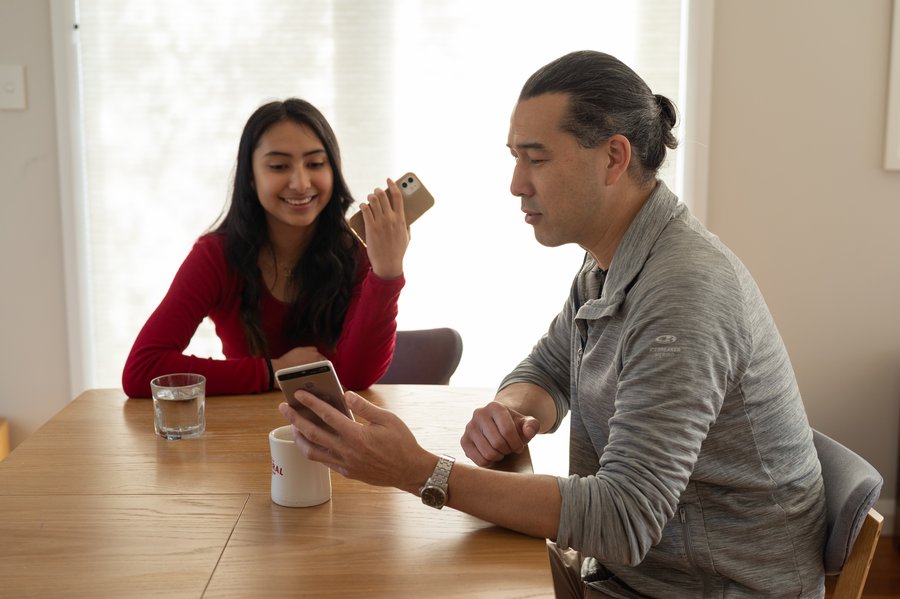
The more young people can talk to adults in their life and understand how to report potentially illegal content, the better prepared they’ll be to navigate harmful content if they come across it. However, we know this is easier said than done. That’s why we sat down and discussed the topic with Henry, a Youth Advisory Panel member and 19-year-old gamer.
He told us the tone and phrasing of the conversation can make or break how effective the interaction will be. Start building trust early by showing natural curiosity. It will be obvious to young people if you don’t engage in a genuine way:
“Trust for me was never really about my parents knowing anything about the games I played, it was about how they brought it up. If someone had sat me down and gone straight to “so what’s the theme of this game?” – or asked me to explain exactly how it works, I probably would’ve shut it down pretty quick, it feels like a test dressed up as a chat. What actually worked was them just being casually curious, not treating it like they needed a full report”.
“The other thing is that most of what I played wasn't really built for someone to sit and learn alongside me, so if a parent asked me "can you show me how to play," it would have came across a bit odd, unless it was a game we could genuinely play together like a co-op one”.
We also talked about the importance of parents asking young peoples’ opinions on the topic. It can be easier to open up and think critically about potentially harmful content when it’s not about sharing their own feelings:
Interestingly, the questions that got me talking the most were the ones about whether a game would be okay for a younger cousin or sibling to play, for example. By doing this it didn't feel like I was being checked up on, it felt as though they actually trusted my judgement, and that made me way more likely to open up about what was actually in the game and why".
We’ve compiled a list of practical tips to help you navigate this tricky space:
- Show a genuine interest in gaming and bond over the video games your child plays. If they like co-op games, you may want to play together.
- As your tamariki get older, continue chatting about online safety habits, like when and how to report content, turn the game off, or talk to someone.
- Decide together on what parental controls or safety features are appropriate to have in place. Striking the right balance between independence and harm reduction is key.
- Consider asking your child about whether specific games would be suitable for a younger family member to play. This signals that you trust their judgement, while also finding out a bit more about content that may cross their line.
Helplines
If you or your whānau are struggling with exposure to harmful content online experiences, it's okay to ask for help:
- Youthline – Call 0800 376 633 or text 234.
- Netsafe – Free advice and support at www.netsafe.org.nz.
- Need to talk? Call or text 1737 to speak with a trained counsellor, available 24/7.
Visit our website for a list of support services available.
Final thoughts
Access to illegal video games reflects a wider shift in the rise of harmful content available online. It's easier than ever to create, purchase, and play video games. While most games are perfectly legal, there is a small risk that potentially illegal video games are accessible online to New Zealanders. We're not talking about in niche forums or the dark web, but illegal content surfacing on well-known gaming sites.
While the world of online gaming can feel overwhelming, there are laws, tools, and support services in place to navigate these spaces safely. Taking steps to avoid harmful content, and reporting it if you do encounter it, helps protect the wellbeing of your whānau and of others.
Further reading
- What is objectionable content?
- Gaming Resource Hub Aotearoa New Zealand | Classification Office
- Resources for parents and caregivers
- What’s the Deal with YouTube Gaming Content? | Blog | Classification Office
- How to Report Harmful or Illegal Online Content in New Zealand | Te Mana Whakaatu Classification Office | Classification Office
Subscribe to our blog
Stay up to date with the Classification Office blog.