Call of Duty: Modern Warfare 4
NZ release: 23 October 2026
Graphic violence, offensive language & cruelty Rated on: 31 July 2026
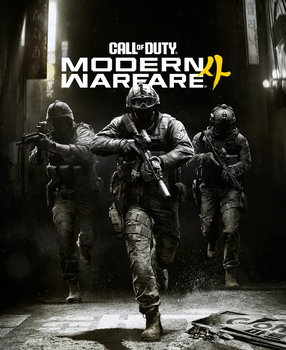
What’s it about?
Call of Duty: Modern Warfare 4 is a cinematic modern military first-person shooter game set during and prior to a North Korean invasion of South Korea. The game also includes a suite of multiplayer modes the series is known for, and a DMZ mode. DMZ is an extraction-style game where players explore a large multiplayer map collecting materials and weapons, completing objectives, and battling other players so they can escape with their loot.
The facts
- Developed by Infinity Ward
- Published by Activision
- This is the twenty-third instalment in the Call of Duty series and the fourth and final entry in the rebooted "Modern Warfare" sub-series
Why did it get this rating?
This video game was classified by Te Mana Whakaatu, Classification Office. You can find out more about classification process and ratings here.
Violence
The game play has frequent and bloody firearm and hand-to-hand combat violence, often ending in death. Cries of pain, impact recoils, and brief dying animations add to the realism. For example, bodies are spattered with blood and bullet decals where players shot them, and blood pools underneath. When players are shot, blood spatters tint the screen red.
Sometimes there is graphic dismemberment depicted caused by explosives. We see bleeding stumps, showing meat and bone and scattered limbs nearby. Heads disappear entirely with some indistinct bits flying at the time of impact.
Various environments are scattered with blood and bodies from historic or ongoing violence. Some are civilians cruelly murdered in their homes by invading North Korean soldiers.
As with previous Call of Duty games, attacking or killing civilians ends the game with a warning and reload prompt. However, some particularly chaotic city sequences allow civilian deaths. This appears more about depicting consequences and realism, and gameplay practicality so accidents don’t lead to constant restarting. Still, players may gun down fleeing civilians if they choose, with some blood puffs, but no bullet wounds.
Cruelty
There is strong cruelty when players control a North Korean soldier and investigate a traitor in a village. Players have various options to question civilians, from encouragement to threatening violence.
Players may also use force with a wounding or fatal shot, with only mild reprimand from officers or peers. When the traitor is found, players help hang him. Failure to follow orders may result in the player’s death, by shooting or hanging. The sequence ends with the villagers being massacred off-screen. This is an affecting depiction of the brutality of military regimes, intended to disturb and ultimately contributes to the player character's defection.
A few scenes in the campaign show soldiers on fire, leaving charred bodies. Players may also use Molotov cocktails, with enemies briefly flailing alight, before a quick death. This is inherently disturbing, but the brevity means the sense of suffering is relatively limited.
Offensive language
‘F*ck’ is used, largely for emphasis and in times of tension. There is infrequent use of the word ‘motherf*ckers’. Other offensive and coarse language that appears occasionally includes ‘sh*t’, ‘b*stard’ and ‘son of a b*tch’.
When content stays with you
We all have our boundaries, and it’s completely okay if something you’ve watched is weighing on your mind. If certain content lingers with you, consider having a chat with friends or whānau to debrief about what you’ve just seen. But if you’re still feeling affected, please reach out to any of the following helplines for support.
Further information
Recent featured decisions
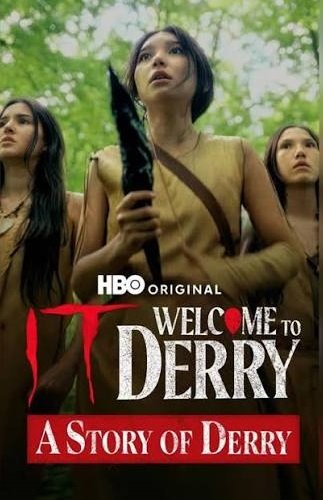
A Story of Derry
IT: Welcome to Derry. A story of Derry
Horror and bloody violence
Three young people go into the Western Wood and encounter a terrifying ancient spirit, the Kollu.
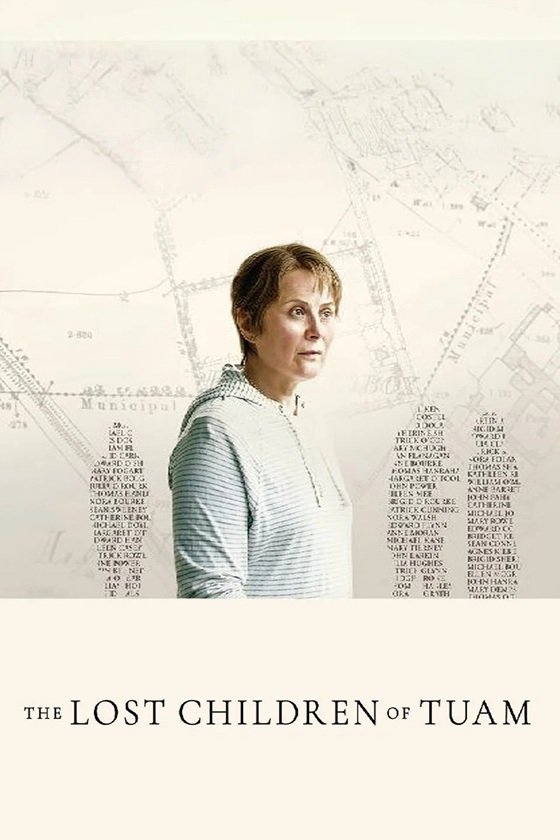
Content that may disturb
A maternity home for unmarried mothers and their children operated between 1925 and 1961 in Tuam, County Galway. In the 21st century, the home became the focus of a national scandal after a forensic excavation uncovered the remains of hundreds of babies and young children, along with illegal adoptions, mistreatment, and systemic neglect. In this film based on based on true events, an amateur historian investigates the horrors that took place there.