Mank
Offensive language and suicide references Rated on: 26 November 2020
What is it?
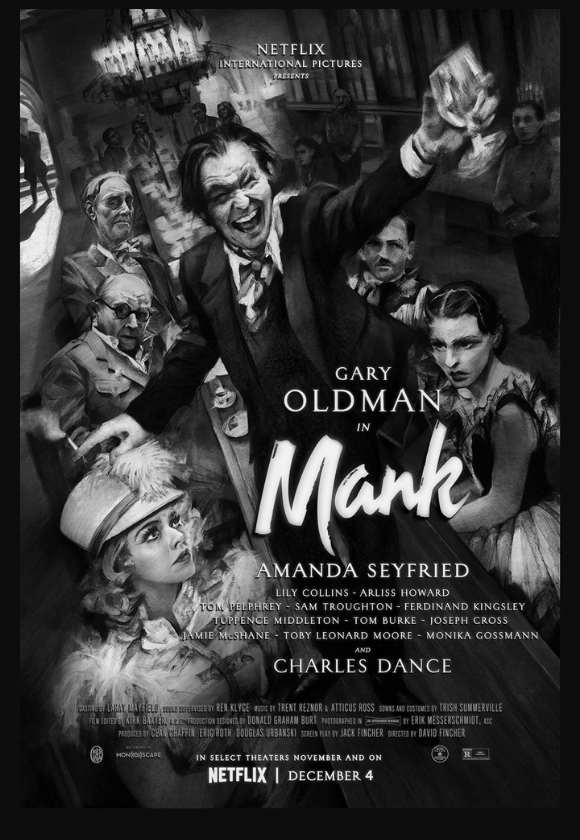
Mank is a biopic detailing the difficult events and history surrounding writing the script for Citizen Kane in 1945. Alcoholic, washed up and with a broken leg, Herman Mankiewicz, a.k.a Mank, is charged by Orson Welles to write a film that is a thinly veiled criticism of the media mogul, William Randoph Hearst – a task that is politically dangerous, given Hearst's money and power. Welles organises for Mank to be nursed and supervised to finish the script without alcohol. The film weaves between present and past, as Mank reminisces about his history with Hearst and Hearst’s wife, Marion Davies, in order to construct his masterpiece.
What to expect
Mank is an entertaining, dialogue-driven biopic about writing and redemption. Filmed in black and white, the cinematography and structure of the film heavily references and pays homage to Citizen Kane. The film is likely to be of interest to fans of director, David Fincher, and people interested in cinema history. Despite dealing with suicide and the self-destructive behaviour of its protagonist, any restriction would be unreasonable. The suicide content is of low impact, especially given the historical context and the style of the film. The offensive language in the film is also unlikely to harm, given its infrequency and stylised nature. However, these elements do indicate that the film is targeted at a mature audience.
Recent featured decisions

Offensive language, discrimination and sexual references
Louis Theroux dives into the world of extreme online influencers and content creators who are reshaping ideas about modern masculinity. Along the way, he explores why these attitudes resonate and how these figures are shaping the values of young men.
The Pitt, Season 2
Episode 1-7
Content that may disturb, drug references, offensive language, violence, nudity, sexual violence themes, dangerous behaviour
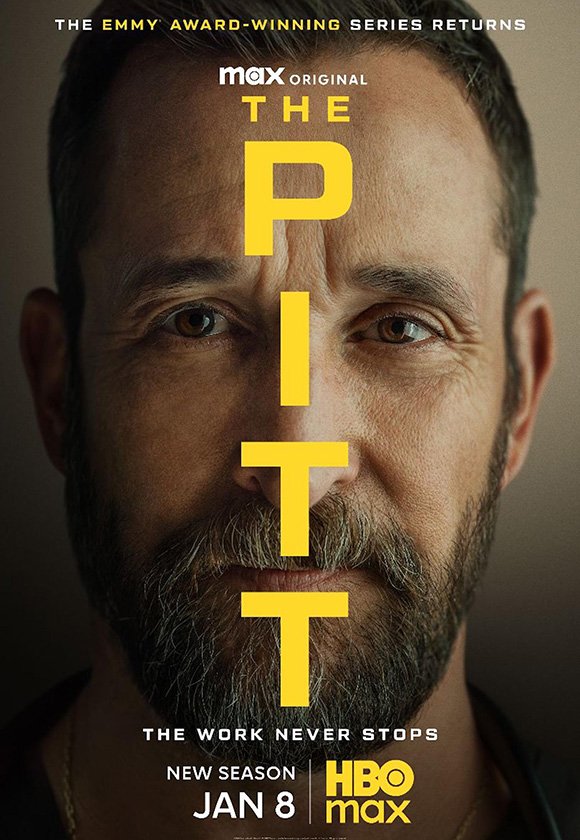
The second season of a drama series that follows the daily lives of healthcare professionals in a Pittsburgh hospital. They juggle personal crises, workplace politics, and the emotional toll of treating critically ill patients, revealing the resilience required in their noble calling.