Love Actually
NZ release: 27 November 2003
Offensive language & nudity Rated on: 27 November 2003
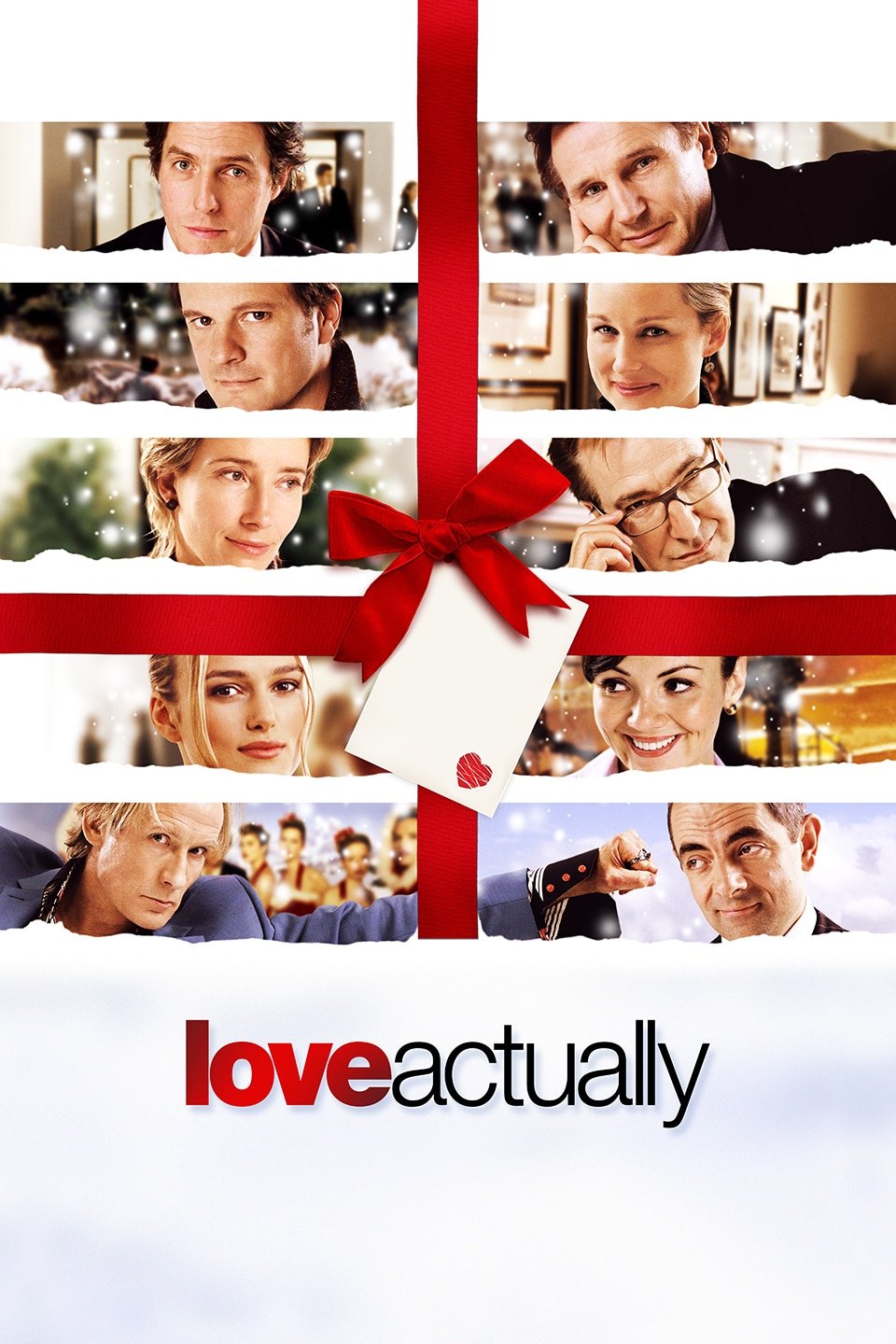
What’s it about?
Set in the weeks before Christmas, Love Actually weaves together multiple stories that explore the messy, funny, and heartfelt ways people experience love.
The facts
- Directed by Richard Curtis
- Starring Hugh Grant, Emma Thompson, Colin Firth, Liam Neeson, Keira Knightley, Bill Nighy, Alan Rickman, Laura Linney, Rowan Atkinson, Martin Freeman, Andrew Lincoln and more.
- English language
- Runtime: 135 minutes
Why did it get this rating?
This film was cross-rated by the Film and Video Labelling Body. You can find out more about cross-rating here.
Nudity and sexual references
The film contains frequent sexual references and brief non-sexualised nudity, mostly played for humour. A recurring subplot follows two body doubles on a film set who rehearse intimate scenes together; while they appear partially nude, the tone is awkward, light, and non-graphic. There are also themes of romance, infidelity, and adult sexual relationships throughout. Strongest scenes include:
- Two body doubles film intimate scenes together. They are shown topless or partially nude, but the nudity is not sexualised and is framed as awkward/comedic. They have conversations about sex acts as part of their movie-scene rehearsals.
- A storyline involves a married man becoming emotionally involved with another woman.
- A wedding video is revealed to have been filmed in a romantic way, implying an inappropriate emotional connection and nothing more.
- Several scenes contain adult sexual jokes, innuendo, and flirtation between characters, including one character talking about his alleged large genitalia.
Offensive language
The film contains frequent offensive language, including “f*ck”, “sh*t”, “wank” and “cock”, often used in a comic or light-hearted way. Characters occasionally swear out of frustration, surprise, or affection, and the tone is generally humorous rather than aggressive.
Drug references
One character who is an older popstar speaking to a camera says, “kids don’t buy drugs, become a popstar and they give you them for free”. This is shown as a bad thing to say and is not intended to encourage drug use.
Grief and loss
One storyline follows a young boy and his stepfather coping with the recent death of his mother. This is emotional and referenced throughout.
When content stays with you:
We all have our boundaries, and it’s completely okay if something you’ve watched is weighing on your mind. If certain content lingers with you, consider having a chat with friends or whānau to debrief about what you’ve just seen. But if you’re still feeling affected, please reach out to any of the following helplines for support.
Further information
Recent featured decisions
Suitable for mature audiences
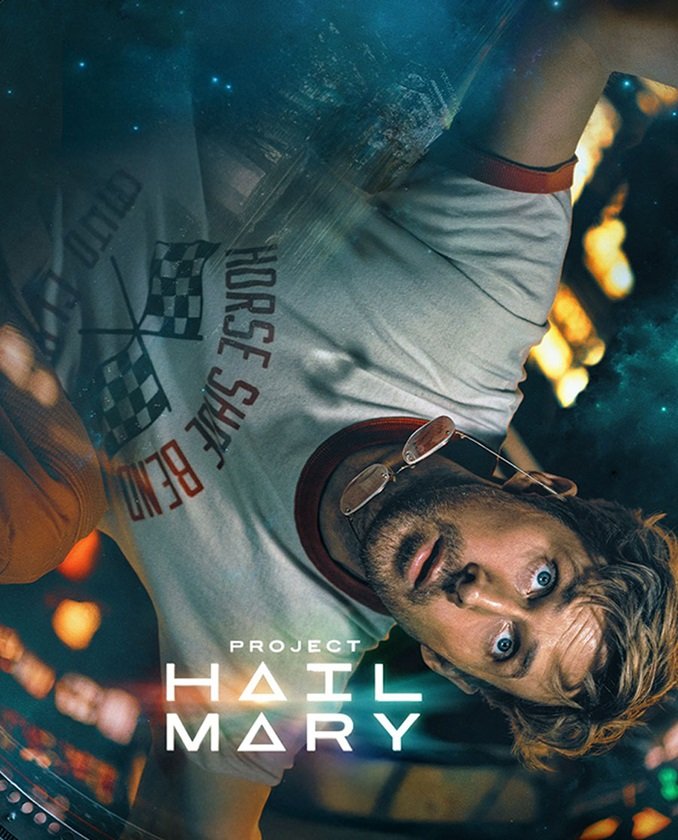
Science teacher Ryland Grace wakes up alone on a spaceship light-years from Earth. As his memory returns, he uncovers a mission to stop a mysterious substance killing the sun, and save Earth. An unexpected friendship may be the key.